Your individuality is the only competitive advantage AI can't touch.
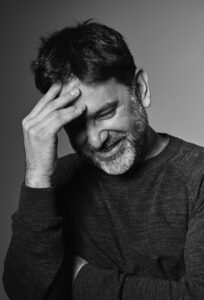
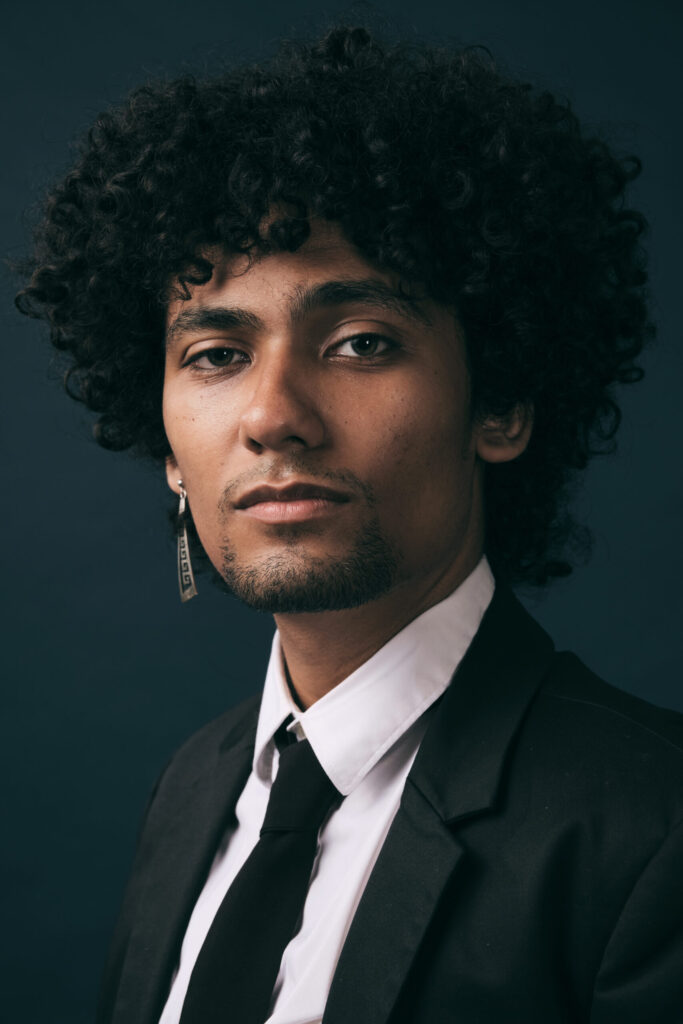
a great headshot should shows it
The question of AI headshots for actors is everywhere right now — and honestly, most answers miss the point. There’s a version of this article that starts with a provocative question like “Is AI going to take your job?” But you’ve already read that one. Everyone has. And honestly, that framing misses the point. The real question isn’t whether AI is coming. It’s already here. The question is: what makes you impossible to replace? As a NYC headshot photographer who spent years working in stock photography, I know the answer. And I learned it before AI was anyone’s problem.
Hi, I'm Carlos David,
I am an editorial – style headshot and portrait Photographer based in New York City
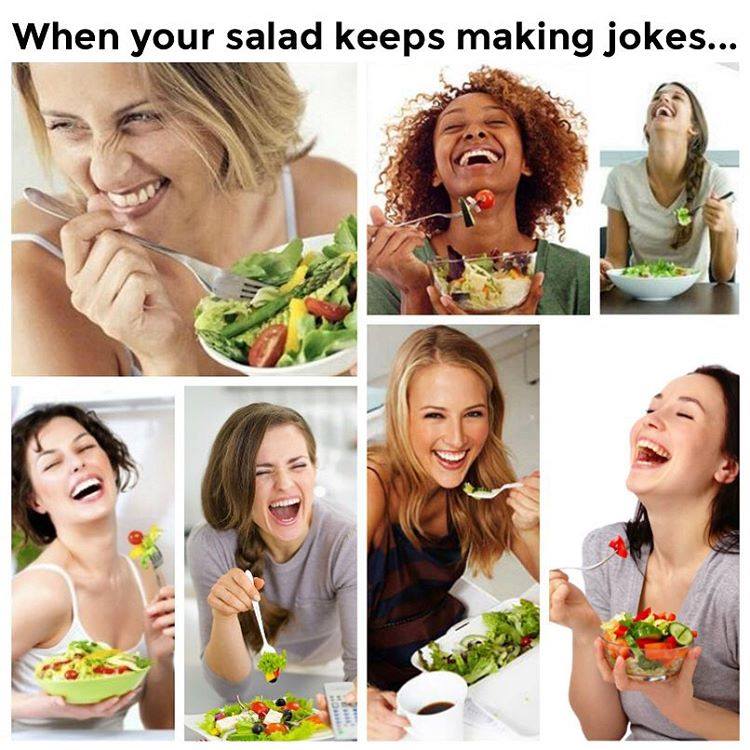
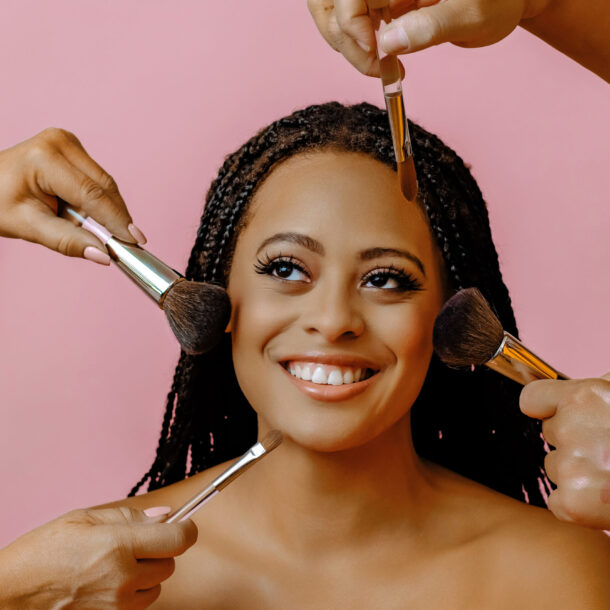
Years ago, I was working in stock photography (lifestyle and people) during what turned out to be a pivotal moment. The industry was waking up to diversity and inclusion, and I was part of the early wave of photographers pushing for it: different races, different body types, different expressions of gender and family and life. It was overdue, and it mattered. But here’s what I noticed. Some of the images we made were essentially the old formulas with new talent. The stock photography equivalent of “women laughing alone with salad” (you know the one) except now with a more diverse cast. Technically inclusive. Visibly staged. Interchangeable. Other images were different. They weren’t trying to reproduce a template. They were trying to capture something true about the people in front of the camera: a real smile, a specific kind of stillness, a look in the eyes that said this person is actually here. Same studio. Same clean backgrounds, sometimes. But presence instead of performance of presence. Guess which ones lasted. The generic images got replaced; first by other generic images, then eventually by AI-generated content that could produce the same non-specific, non-threatening, non-real look at scale, for nothing. The images with real presence? They stayed active for years. Because you can’t procedurally generate a specific human being.
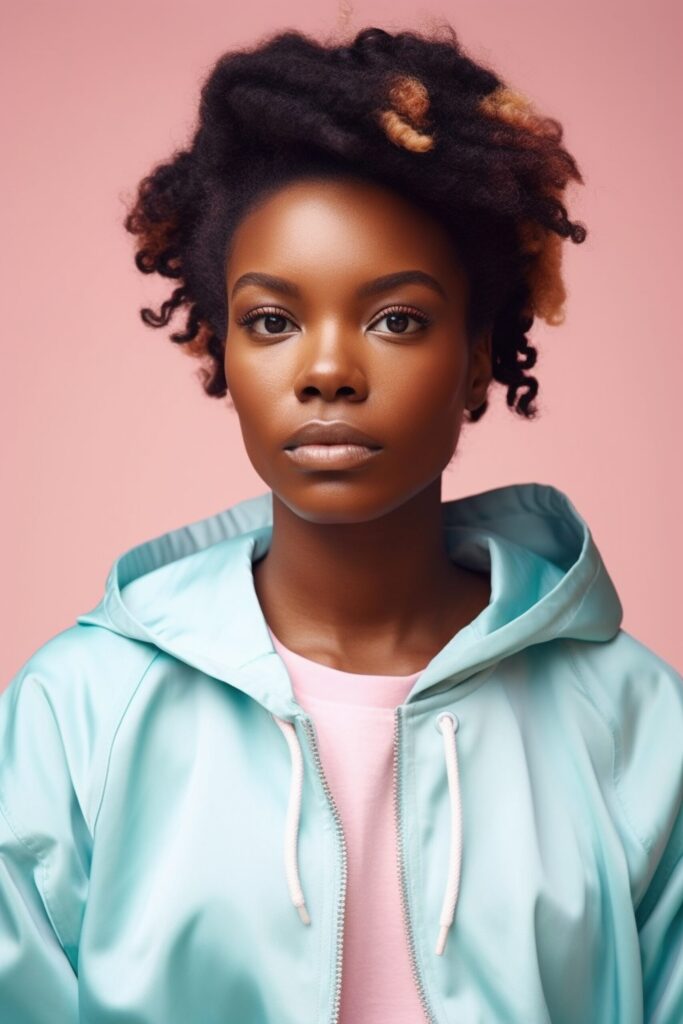
Ai headshots for actors. Headhsot made with artificial inteligence.
Actors Are Not Exempt From This Logic
Actors are trained to inhabit characters. That’s the craft. But somewhere in the process of learning to transform, some actors develop a habit of disappearing; not into a character, but into a vague idea of what a castable person looks like. Approachable but not too specific. Interesting but not too much. Safe. Safe is the most dangerous thing you can be right now. When I photograph actors, the most common thing I see isn’t nerves or vanity or bad posture. It’s suppression. People holding back the thing that makes them them, because somewhere along the way, they got the idea that casting directors want a blank canvas. They don’t. They want to see you clearly, so they can imagine you in a role. That’s a completely different thing. A blank canvas doesn’t inspire casting. A specific, present, alive human face does.
What "Individuality" Actually Means in a Headshot
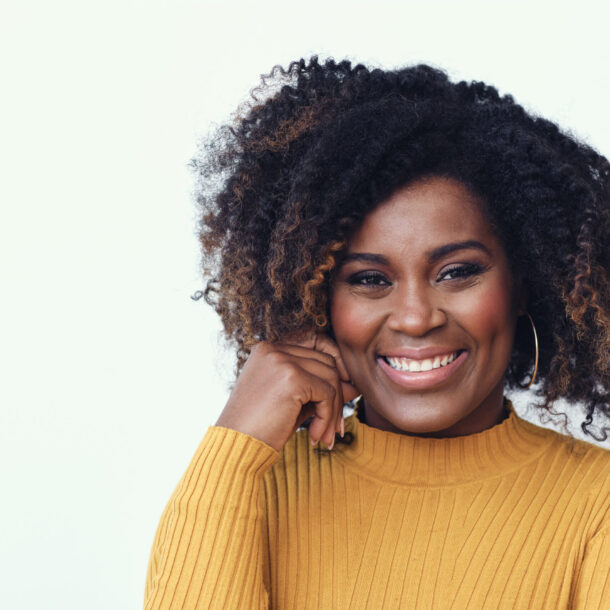
It isn’t about being quirky or unconventional, or about trying to stand out with gimmicks. It’s about specificity, about you being you. Your face has a particular quality of stillness or energy. Your eyes hold tension in a specific way, or warmth, or humor, or something harder to name. The way you exist in the world, in life, in front of a camera, that slight asymmetry, the thing that happens when you’re actually thinking rather than posing, those little details that make you, be you. That is the thing a casting director’s eye catches when they’re scrolling through two hundred thumbnails and suddenly stops. They don’t stop on nice. They stop on recognizable. Not famous. Recognizable. There’s a difference. Recognizable means: I immediately understand something about this person, and I want to know more. That’s what a great headshot does. And it has nothing to do with how symmetrical your face is, or whether you’ve lost the weight, or whether you fit a particular mold. It has everything to do with whether you were actually present when the shutter clicked.
Real person theatrical headshot.
What This Means for Your headshot Photo Session
When I work with someone, I’m not only looking for the most flattering angle or the most composed expression. I’m also looking for the moment when they are just there, being. Sometimes it happens after twenty minutes, sometimes I find it by asking a question they don’t expect. Sometimes it’s a joke, or a silence, or something they said about their work that lit something up in them. My job isn’t to tell you to relax. My job is to create the conditions where you are comfortable being yourself in front of a camera, recognize that moment, and catch it in a photograph. That’s the opposite of what AI can do. AI can generate a face. A beautiful face, even. It cannot generate your face carrying your specific history, your specific tension, your specific way of being alive.
The Stakes
AI is already inside casting. Casting directors are using AI tools to scan headshots and shortlist candidates faster. That’s not a threat, it’s a reality check. It means the bar for what a headshot needs to do hasn’t gotten lower. It’s gotten higher. A generic headshot used to get lost in a pile. Now it gets filtered out by an algorithm before a human even sees it. What gets through? What gets remembered? The same thing that always has: presence. Specificity. The irreducible fact of a particular person, photographed well. The actors who will thrive in this industry, disrupted as it is and will keep being, are not the ones who figure out how to look most castable in the abstract. They’re the ones who figure out how to show up most completely as themselves, and who work with people who know how to draw that out. That’s not a new insight. It’s just more urgent than it used to be. Your individuality is not a liability in a competitive market. In a world where generic is increasingly automated, it’s the only real advantage you have.
Carlos David is a portrait and headshot photographer based in New York City, working with actors, performers, and creatives. His approach is built on one conviction: the best photographs happen when we start being present.
Let’s coordinate schedules to ensure our availability aligns with your preferred date. We recommend securing your photography appointment well in advance to guarantee our dedicated focus on your special day.